Diterbitkan pada 6 Agustus 2026 09:52 WIB
Baca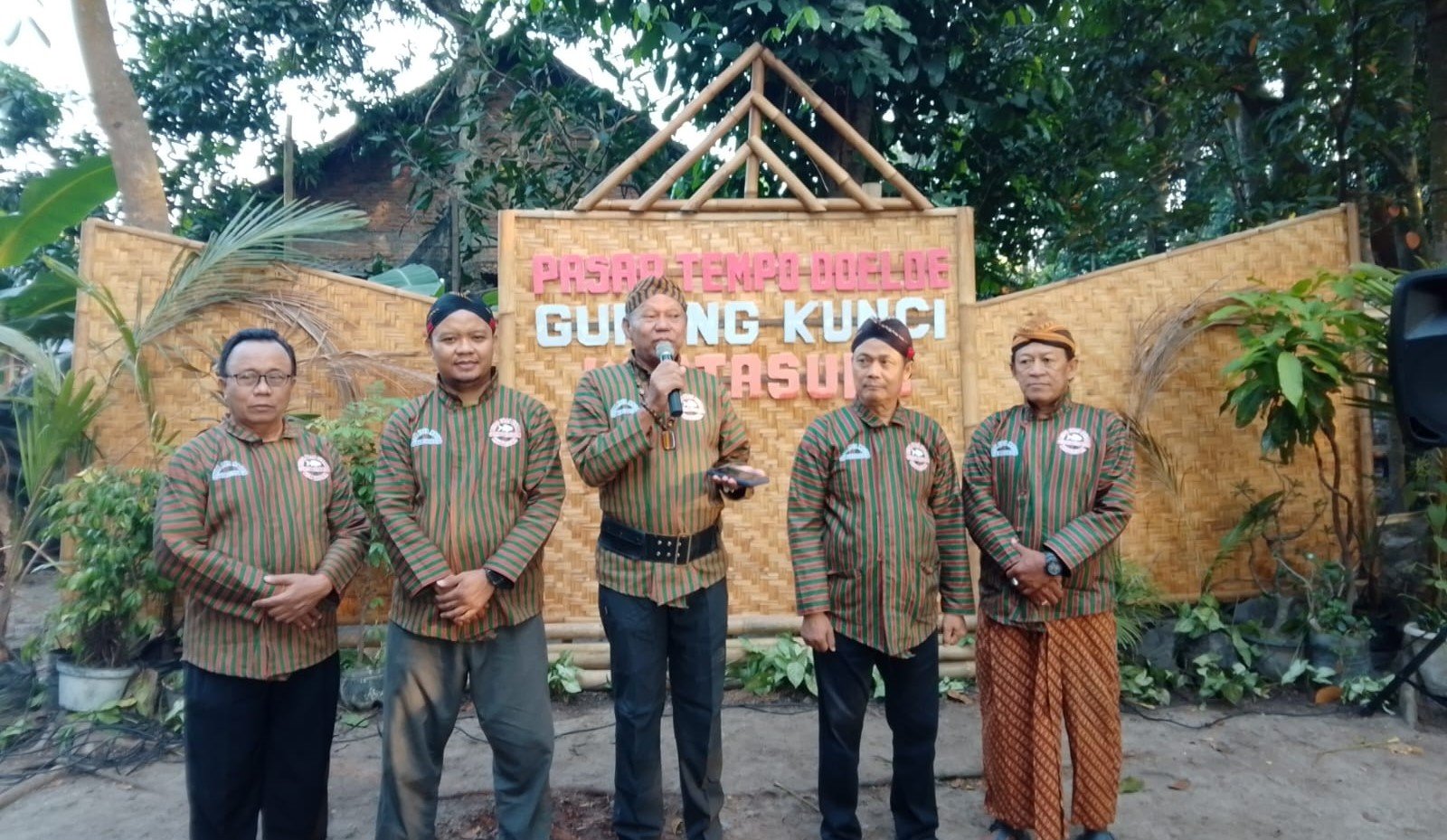
By Asep Maulana Rohimat
Village Head of Pasar Tempo Doeloe Gunung Kunci Kartasura (PAKUNCARA)
Indonesia is by no means short of cultural heritage. From Sabang to Merauke, every region possesses its own distinctive culinary traditions, local customs, historical landmarks, and indigenous knowledge passed down through generations. Ironically, while many countries are actively transforming their cultural identities into engines of economic growth, numerous regions in Indonesia are gradually losing the space to preserve and celebrate these invaluable assets. Traditional cuisine is increasingly overshadowed by industrially processed foods laden with preservatives, historical sites are left neglected, and younger generations are becoming increasingly detached from their cultural roots.
In fact, the national policy direction is already clear. Law No. 24 of 2019 on the Creative Economy explicitly mandates that Indonesia's cultural heritage be transformed into value-added products that enhance community welfare and strengthen the nation's competitiveness. The law also positions both the central and local governments as key actors in building a sustainable creative economy ecosystem. This commitment was further reinforced by Government Regulation No. 24 of 2022, which provides a framework for ecosystem development, marketing, financing, infrastructure, and multi-stakeholder collaboration in advancing Indonesia's creative economy.
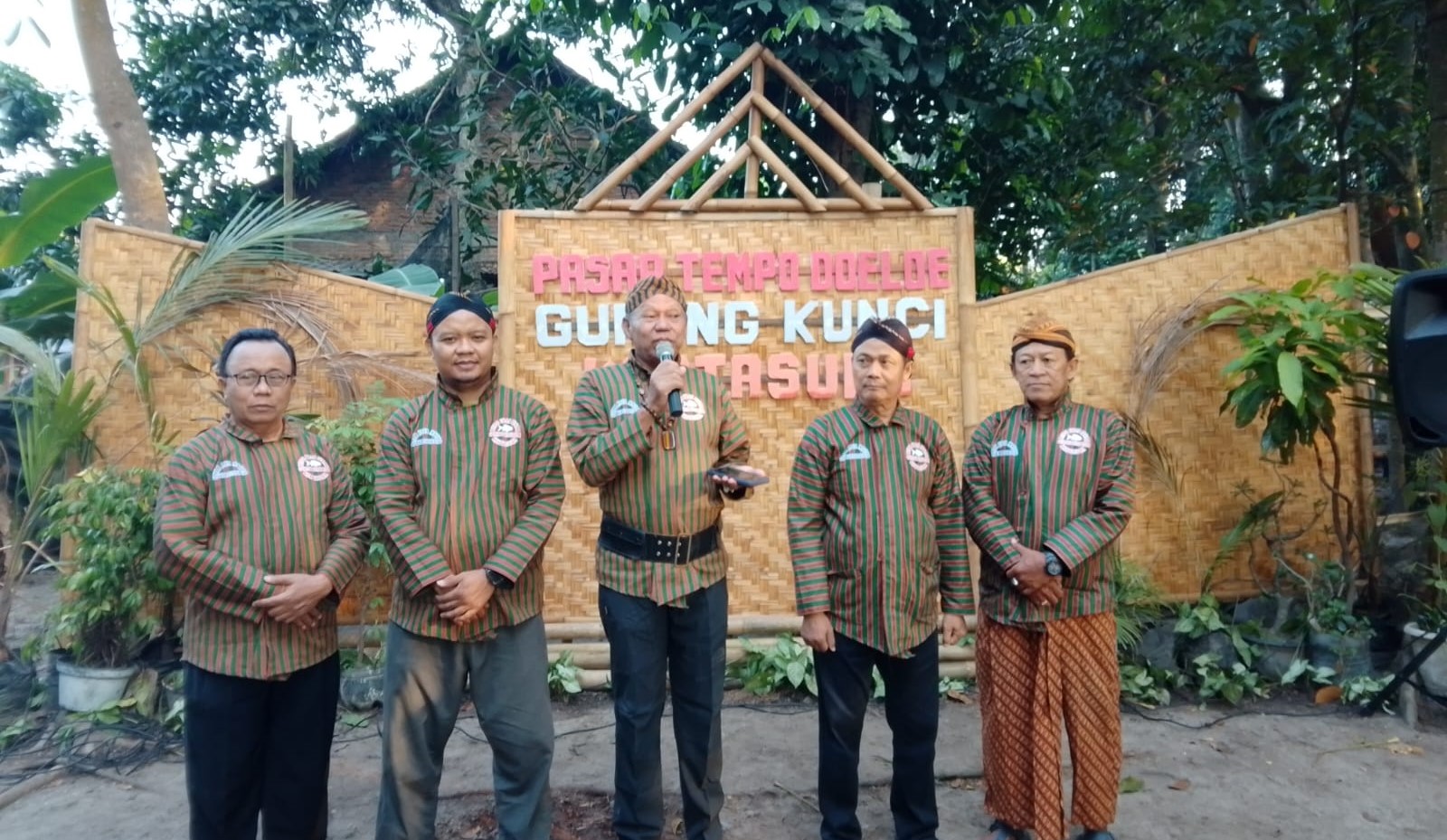
One notable example of this vision in practice is Pasar Tempo Doeloe Gunung Kunci in Kartasura, Sukoharjo Regency. More than merely a marketplace, it represents a model of creative economic development rooted in cultural heritage. Held every Minggu Pahing—one of the traditional market days in the Javanese calendar—the market revives a centuries-old cultural rhythm that is gradually fading from the awareness of today's digital generation. Rather than operating daily or weekly, the market is held every 35 days (selapanan), a schedule that intentionally cultivates anticipation and longing. Visitors come not only to shop but also to relive the atmosphere of old Java and reconnect with cherished memories.
The market's signature attraction is its rich selection of traditional foods, including tiwul, gatot, cenil, gronthol, jenang, jadah, sate kere, soto, tengkleng, wedang ronde, rujak degan, and many other indigenous delicacies. These foods are prepared using natural ingredients without artificial preservatives or synthetic coloring. Most are still wrapped in banana leaves or teak leaves, significantly reducing the use of single-use plastics. Remarkably, this ancestral packaging tradition aligns closely with contemporary principles of the green economy, circular economy, and sustainable consumption, all of which have become central priorities in global development agendas.
In Food and Tourism Studies, Lucy M. Long (2013) argues that food is fundamentally an expression of cultural identity. Every traditional recipe embodies knowledge of the natural environment, agricultural practices, historical experiences, and a community's way of life. Consequently, enjoying traditional cuisine is, in essence, an act of experiencing a nation's history.
This perspective is further reinforced by UNESCO's 2003 Convention for the Safeguarding of the Intangible Cultural Heritage, which recognizes culinary traditions as part of humanity's living heritage (Wijesuriya, 2018). Traditional foods are preserved not merely for their flavors but also because they embody social values, local wisdom, and cultural identities that define a community.
These cultural values become even more meaningful because Gunung Kunci forms an integral part of the historic remains of the Kartasura Palace Fortress, once the seat of government of the Islamic Mataram Sultanate, before the royal court was relocated to Surakarta. In Les Lieux de Mémoire, Pierre Nora and Astrid Erll (1997) describe places like these as "sites of memory"—spaces where societies preserve their collective remembrance. Yet such places lose their significance if they remain silent monuments. They must be animated through community activities, cultural expressions, and economic engagement.
It is precisely here that Pasar Tempo Doeloe Gunung Kunci plays its strategic role. Heritage is no longer viewed simply as a relic of the past but is transformed into a productive space that integrates historical values, traditional culinary products, cultural performances, local micro, small, and medium enterprises (MSMEs), and tourism. This approach reflects the concept of heritage gastronomy, introduced by Van Westering (1999), in which cultural heritage serves as the foundation for creative economic development that can generate sustainable local prosperity.
Similarly, Greg Richards (2020) characterizes this phenomenon as creative tourism—a form of tourism that offers visitors authentic and participatory experiences. Today's travelers are no longer satisfied with merely observing historical buildings; they seek to taste local cuisine, listen to historical narratives, interact with local communities, and become immersed in the culture itself. Pasar Tempo Doeloe strives to provide all of these experiences within a single event that simultaneously generates meaningful economic benefits.
The economic impact of this model is already evident. Traditional culinary entrepreneurs gain access to affordable business opportunities, local artists obtain a stage to showcase their talents, and surrounding communities benefit from an expanding local economy. This embodies the very essence of Indonesia's Creative Economy Law, which seeks to create added value through intellectual property and cultural heritage as pathways toward greater community prosperity.
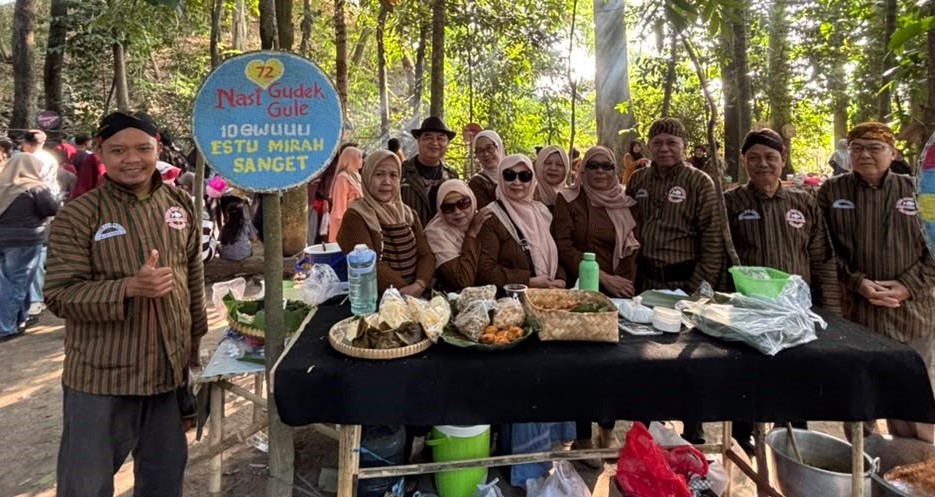
Gunung Kunci demonstrates that economic development does not always have to begin with grand infrastructure projects or massive financial investments. It can emerge from the traditional kitchens of local households, from banana leaves carefully folded around homemade food, from the enduring wisdom of the Javanese calendar, and from communities deeply committed to preserving historical heritage. When nostalgia is transformed into creativity and culture is converted into economic value, economic development takes on its most meaningful and sustainable form.
Indonesia needs many more places like Gunung Kunci. A truly great nation is not one that abandons its cultural heritage in pursuit of modernity alone, but one that transforms its heritage into a foundation for innovation, a source of shared prosperity, and a pathway toward a sustainable future.
References:
Long, L. M. (2013). Food in tourism studies. In Routledge International Handbook of Food Studies (pp. 342–351). Routledge. https://api.taylorfrancis.com/content/chapters/edit/download?identifierName=doi&identifierValue=10.4324/9780203819227-35&type=chapterpdf
Nora, P., & Erll, A. (1997). Les lieux de mémoire (Vol. 3). Gallimard Paris. https://www.academia.edu/download/56236423/Nora_Pierre_-_Los_Lugares_De_La_Memoria.pdf
Richards, G. (2020). Designing creative places: The role of creative tourism. Annals of Tourism Research, 85, 102922. https://doi.org/10.1016/j.annals.2020.102922
Van Westering, J. (1999). Heritage and gastronomy: The pursuits of the ‘new tourist.’ International Journal of Heritage Studies, 5(2), 75–81. https://doi.org/10.1080/13527259908722252
*This article in Indonesian bahasa has been published in the national media outlet Radar Jawapos: https://radarsolo.jawapos.com/opini/2607240007/gunung-kunci-ketika-nostalgia-menjadi-inovasi-ekonomi-kreatif
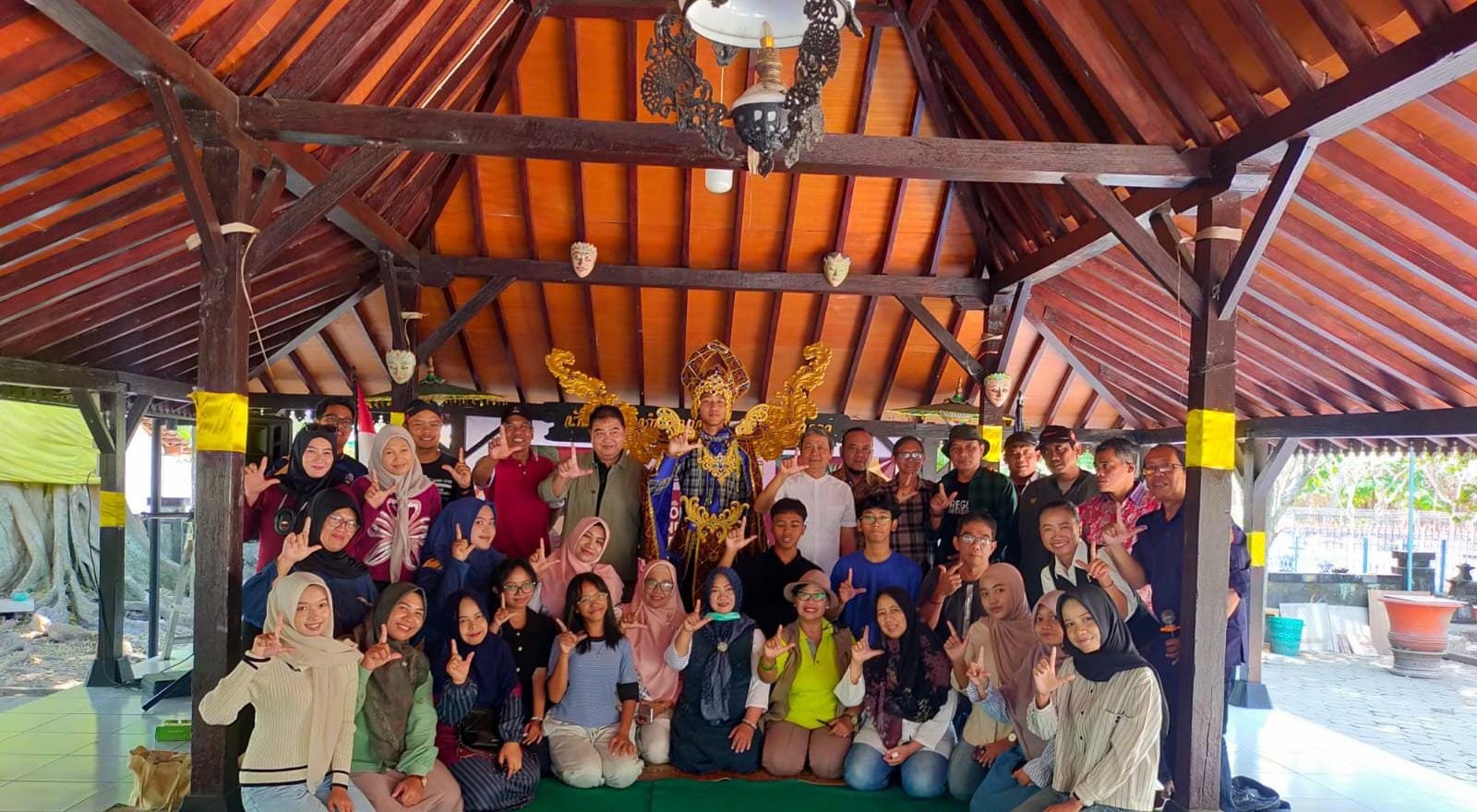
Kartasura Tak Hanya Punya Sejarah: Ethno Carnival Disiapkan Menjadi Magnet Ekonomi Digital
3 hari yang lalu - Umum
Head of OJK Solo Delivers Digital Business Literacy to 295 Students at UIN Raden Mas Said Surakarta
4 pekan yang lalu - Umum
The “Trap of Convenience”: UIN Surakarta Lecturer Reveals AI’s Privacy Paradox
1 bulan yang lalu - Umum IDN (Bahasa Indonesia)
 AR (Arab)
 EN (Inggris)